
Every cross-border transaction carries a chain of dependencies and requirements: FX conversion, sanctions screening, corridor routing, settlement confirmation, exception management, and end-to-end transparency. A delay or failure at any point ripples across the entire chain.
The infrastructure behind most cross-border systems was designed for batch settlement and daily clearing cycles with data sitting across multiple platforms and regions. As the industry moves toward real-time models, this architectural mismatch is getting harder to manage.
The industry is responding. Linked RTP networks, prefunded corridors, card push payments, and richer standards like ISO 20022 and SWIFT's CBPR+ guidelines are all moving cross-border toward more immediate processing. Most of the technical building blocks exist.
Integrating them across legacy and modern systems is the harder problem.
The real challenge is modernizing safely
Technology leaders rarely get support for sweeping payment-transformation programs simply because the end state sounds attractive. They get support when the path reduces risk, preserves continuity, and improves economics along the way.
That means focusing on:
- modernization without disruption
- gradual migration
- compliance controls
- vendor viability
- total cost of ownership.
Not betting on a big-bang rewrite.
In cross-border payments, it is easier to answer each new requirement with “another integration project”:
- another API layer
- another compliance service
- another data copy
- another investigation tool.
Over time, that produces a brittle architecture that makes real-time operation harder, not easier. Every hop adds latency. Every silo adds reconciliation work. Every duplicated dataset raises the risk of stale decisions and an inconsistent payment state.
A practical modernization pattern: add a single real-time operational tier
A more practical approach is to place a single shared real-time operational layer between legacy systems and for all newer payment services.
Don’t force every application to read and write directly against older platforms.
Instead, create a real-time operational tier to consolidate the data and processing needed for payment execution and decisioning for:
- payment state
- corridor-aware routing logic
- FX data
- fraud signals
- sanctions and AML context
- liquidity and prefunding visibility
- status tracking across intermediaries
- ledger-adjacent operational data.
API access
Teams can access it through familiar interfaces such as APIs, Kafka, SQL, and standard integration patterns while core persistence and legacy processing stay in place. The goal is to modernize critical payment systems without forcing a replacement of the core.
Incremental modernization
New services build on the real-time layer, while legacy cores remain authoritative where they need to be. It reduces point-to-point integration between payment, fraud, compliance, and customer data systems. And it makes resilience part of the design: always-on processing, faster recovery, and controlled failover instead of afterthoughts.
Proof comes from architectures that bridge old and new
The most useful examples are the ones that show legacy and modern systems working together in a single modernization path.
A top global bank
GridGain’s in-memory compute platform accelerates transactions and sits in the middle of the banking web application and mainframe as the real-time operational data layer. Core banking and payment services still ran on mainframes, but the bank needed to handle rising digital load, expose APIs, and meet instant-payment timing requirements.
It used GridGain’s in-memory compute platform across several modernization efforts:
- a real-time gateway that transformed ISO payment messages into COBOL and back
- shielding layers to offload mainframes
- shared data services to support reporting and API access.
In a cross-border context, this kind of architecture helps institutions connect modern messaging, payment-status updates, and downstream screening and reporting workflows without rewriting the systems of record.
Mainframes do not disappear overnight, but a real-time layer can reduce strain on them, speed delivery of new services, and provide a workable bridge between old and new.
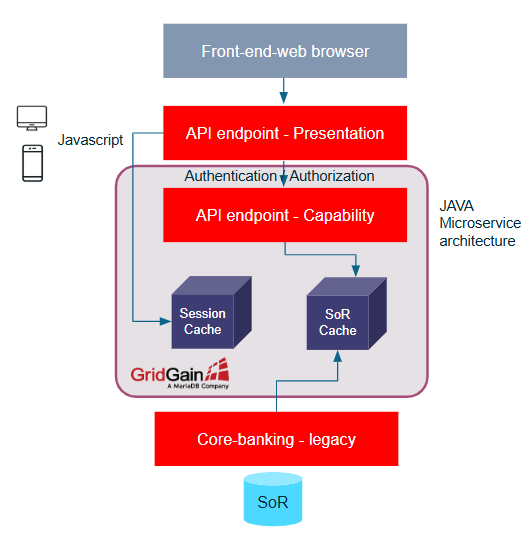
Figure 1: Top Global Bank Mainframe Modernization
A leading financial analytics software company
This use case reinforces the point from the decisioning side. Cross-border modernization is incomplete if sanctions, AML, or fraud checks become the new bottleneck.
Their fraud analysis application supports:
- fraud detection
- anti-money laundering
- credit authorization
- and other analytics for financial services.
Their application uses GridGain to achieve 10-20 millisecond analytic model execution at a minimum of 25,000 transactions per second in an active-hot standby setup with backup and recovery capabilities, along with snapshots for periodic backup and portability.
For engineering leaders, that matters because cross-border payment flows only work when screening, resilience, and decisioning keep pace with settlement and routing.
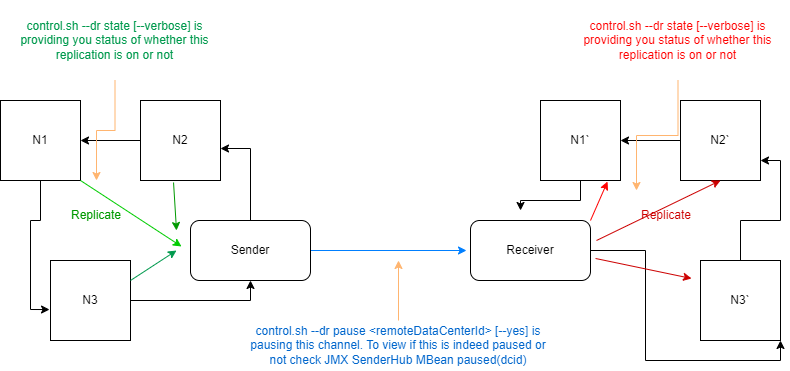
Figure 2: Financial Analytics firm’s Data Center Replication with hot standby for high availability combined with low latency for fraud prevention
Why this matters now
Immediate cross-border payments are becoming more feasible. The institutions that benefit most won't be the ones with the newest architectures. They'll be the ones with the clearest path to modernization.
That path starts with an accelerated real-time operational architecture around existing systems:
- one that unifies fragmented workflows
- supports continuous decisioning
- gives engineering teams a way to add speed and resilience without multiplying complexity.
New corridors, additional rails, higher volumes, and more demanding compliance workflows become planning challenges rather than reasons for a full redesign.
If your team is working toward faster, more transparent cross-border payments without a core replacement program, start with the operating architecture. That is where a real-time operational layer matters most: keeping transactions fast, correct, transparent, and recoverable at scale.